Adawarbler WEC001 · Organoid culture applications

Organoid roller
culture system

Adjust, observe and review your culture process.

For neural, tumor and adult stem cell-derived organoid research, bring rotation, temperature, gas mixing and pressure into one culture platform. Recorded environmental parameters support long-term culture, condition optimization and time-series observation.

WEC001-GT5 standard configuration / WEC001-GT6 Discovery perfusion extension

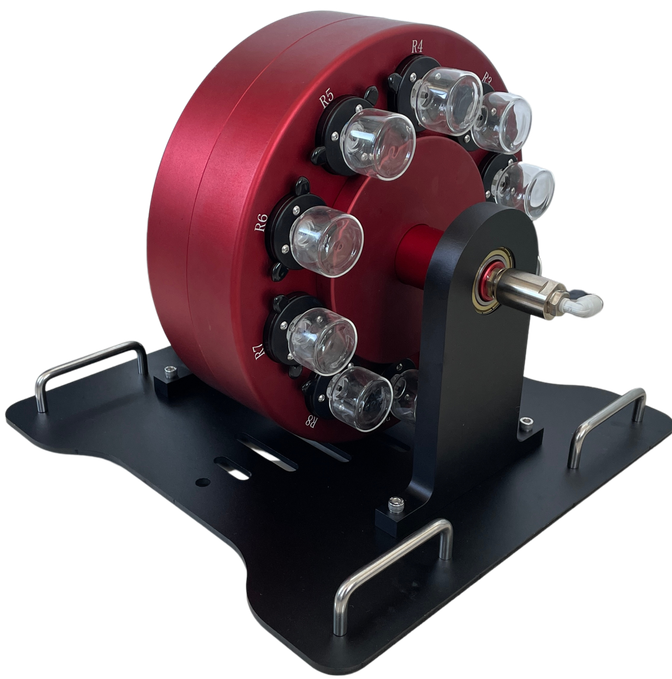
Adawarbler DishKP5 rotator and thin-wall bayonet culture bottles
DishKP5 rotator · 20 bottle positions across two sides
Load bottles to suit your batch size; insert or remove bottles individually.
20 bottles / groupA shared environment for replicates and controls
0–60 RPMForward, reverse and pause; 0.1 RPM increments
Three-gas mixing controlStage-specific O₂ / CO₂ / N₂ settings
≥100,000 recordsTraceable culture parameters and images

Turn culture conditions into variables you can compare.

From medium mixing and the gas environment to records for each experimental batch, configure the system around three areas that researchers continually refine.

Find the right rotation settings for suspension culture

Adjust speed in 0.1 RPM increments, with forward, reverse and pause options. Consider bottle type, working volume and sample density while observing settling, attachment or fusion to progressively refine dynamic culture conditions.

Thin-wall glass bottles: 2 / 4 / 7 / 9 ml; 15 ml optional

Plan gas and temperature settings by culture stage

Program O₂, CO₂ and N₂ ratios together with gas flow, pressure and temperature. Define environmental settings for culture initiation, expansion and subsequent observation, and record actual operating conditions.

10 or more programs, executed automatically on a timeline

Connect morphological changes with culture records

EmbryoLive20 supports still, scheduled and time-lapse imaging. Review images alongside gas, flow, temperature and pressure records to identify intervention time points, compare batches and plan the next experiment.

Export operating logs as Excel or zip files

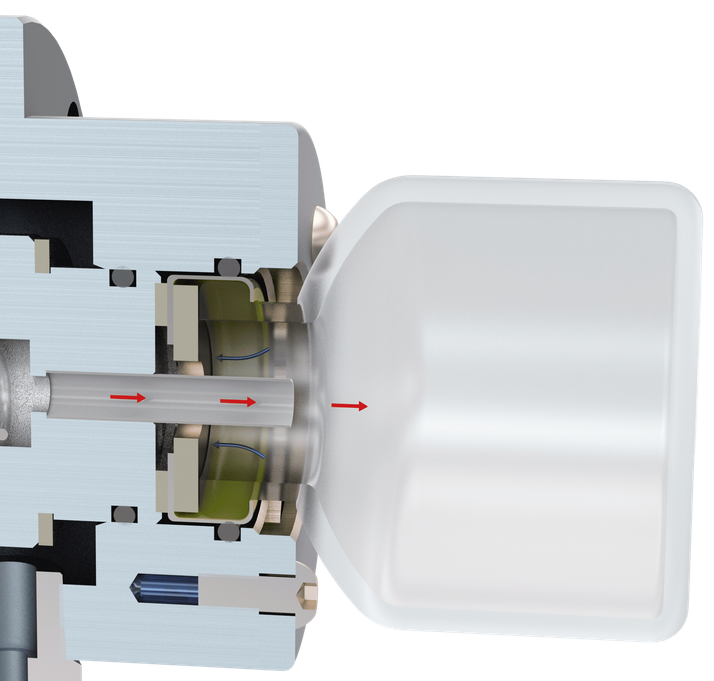
Cross-section of a thin-wall roller culture bottle showing the inlet tube and gas flow paths into and out of the bottle
Schematic cross-section of the bottle gas path. Arrows illustrate flow direction, not flow rate or culture outcomes.

From gas supply to culture bottle,
understand the exchange conditions.

Mixed gas enters the culture bottles through the rotator, with a metal inlet tube directing flow toward the central region of the medium. Combined with bottle rotation, this provides adjustable conditions for gas–liquid contact and medium mixing.

Gas mixing and flow
Set O₂, CO₂ and N₂ ratios to a total of 100%, in 0.1% increments; gas flow: 8–100 ml/min.
Temperature and pressure
Temperature: 10–50℃, with ±0.1℃ stability at 37℃; pressure: 0–20 PSI, with breathing / pulsation modes.
Gas-phase concentration feedback
Optical sensors monitor gas-phase O₂ and CO₂; online liquid-phase pH, dissolved oxygen (dO₂) and other measurements require a custom configuration.

The 20 bottle positions share the environmental settings of the same rotator group. Use separate bottles for samples, replicates or dose conditions; rotation speed and gas mixing are not independently set for each bottle.

From neural organoids to disease models and drug research.

Select bottles and modules based on model source, culture stage and observation endpoints. Establish and validate the culture system for your specific model.

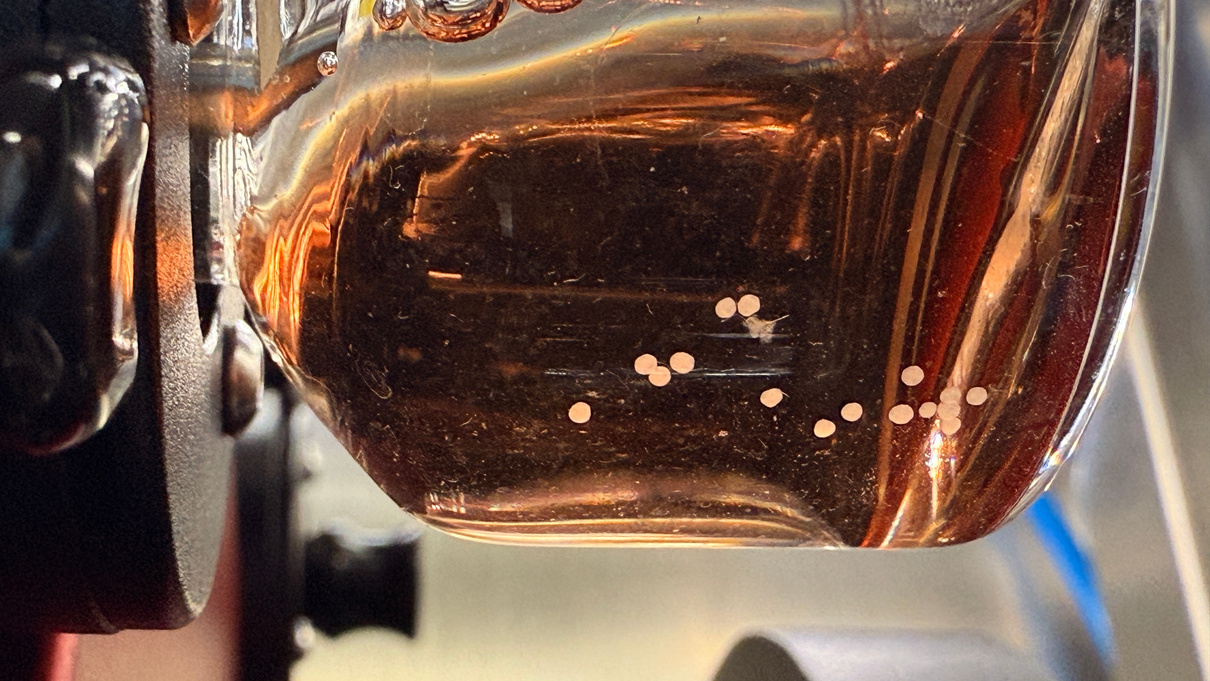
Photograph of neural organoid culture in a transparent roller bottle, showing suspended tissue morphology
Neural organoid culture photograph from the product brochure, illustrating culture morphology rather than a quantitative performance comparison.

Neural and brain organoids

Explore rotation and gas conditions for long-term culture of iPSC-derived models, using time-series images to document morphological changes.

Adult stem cell-derived organoids

For larger-volume tissue culture needs, compare dynamic culture conditions across bottle types and working volumes, assessing endpoints such as morphology, viability and function.

Tumor organoids and co-culture

Arrange models, treatment groups and controls in a shared environment to study the effects of gas conditions, medium composition or intervention timing.

Drug evaluation and time-series sampling

Use separate culture bottles to organize doses, replicates and sampling time points. Select the Discovery perfusion extension when continuous medium exchange or dosing is needed.

Let each experiment inform the next round of optimization.

Organize culture programs and records around your experimental plan, with rotation speed and gas ratios determined by the model's requirements.

  1. Define the model and bottle type

    Specify sample source, starting stage, working volume, sample density and endpoints, and set up replicates and controls.

  2. Build a staged program

    Combine rotation, gas, flow, temperature and pressure settings, and place planned interventions on the timeline.

  3. Capture images and parameters

    Record morphology and operating status at the planned observation frequency, and carry out medium exchange, interventions and time-point sampling according to the protocol.

  4. Compare and refine the next batch

    Export image and data records, match them with viability, histology or omics results, then adjust conditions for the next round.

Choose a configuration for your culture task.

For multi-bottle dynamic culture, start with GT5. To build medium exchange, perfusion and dosing into the workflow, evaluate GT6 Discovery.

Multi-bottle culture and condition optimization

WEC001-GT5

Suited to establishing roller culture workflows, organizing parallel samples, and running long-term observation and culture condition comparisons.

  • DishKP5 double-sided rotator with 20 bottle positions
  • Rotation, temperature, three-gas, flow and pressure control
  • EmbryoLive20 image capture and operating logs
  • Time-based parameter programs with exportable records

Focus: adjustable, recorded dynamic culture conditions for multi-bottle experiments.
Enquire about GT5

Continuous medium exchange and intervention studies

WEC001-GT6 Discovery

Builds on the multi-bottle platform with the SunKP1 single-bottle rotating perfusion module, for experiments that require continuous medium supply and programmed interventions.

  • Automated medium exchange, perfusion, medium addition, dosing and rinsing
  • Matching medium cooling / heating module
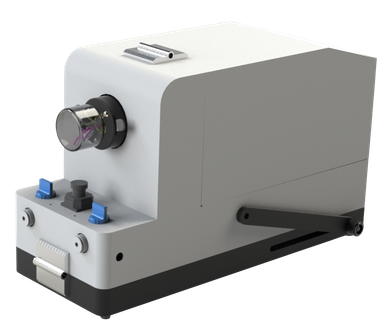
  • Built-in camera for observing the culture process
  • 1–3 rotating modules can be discussed for your application
SunKP1 single-bottle rotating perfusion module

Online pH, dO₂, NH₄⁺, glucose and lactate monitoring are custom extensions; the exact setup needs to be confirmed.

Enquire about Discovery

Specifications you can check line by line.

Compiled from WEC001-GT5 / GT6 technical documentation. Please confirm imaging coverage, consumables and extension modules for each configuration during selection.

Key specifications of the WEC001 organoid roller culture platform
ItemSpecification and functionSelection notes
Culture capacity20 bottles / group, 10 positions on each sideBottles on one rotator share environmental settings; load as many as you need
Culture vessels2 / 4 / 7 / 9 ml thin-wall glass bottles; 15 ml optionalWall 1 mm, bottom 0.5 mm; gaskets and metal caps can be autoclaved at 121℃
Rotation control0–60 RPM; 0.1 RPM incrementsForward, reverse and pause settings
Temperature control10–50℃; ±0.1℃ stability at 37℃Per the GT5 / GT6 specification sheets
Three-gas mixingO₂ / CO₂ / N₂ each 0–100%, totaling 100%Minimum adjustment 0.1%; volume-ratio and mass-ratio modes
Gas-phase concentration monitoringO₂: ±0.3%vol; CO₂: ±0.1%volOptical monitoring; not equivalent to measuring dissolved oxygen in the medium
Gas flow8–100 ml/minReal-time display; documented precision ±0.01 ml/min
Pressure control0–20 PSI; 0.1 PSI adjustment increments; 0.001 PSI resolutionBreathing / pulsation modes; built-in dual pressure-relief protection
Programs and records10+ parameter programs; at least 100,000 image and data recordsRuns on a timeline; export to Excel or zip
Culture imagingEmbryoLive20: still, scheduled and time-lapse imaging with remote viewingNumber of camera modules and bottle coverage depend on the model
Perfusion extensionSunKP1: automated medium exchange, perfusion, dosing and rinsingGT6 Discovery configuration; online liquid-phase monitoring is a custom option
Operation and safety14-inch touchscreen; oxygen leak alarm; UV disinfection lampOxygen alarm threshold adjustable from 20–40%; humidifier bottle and bubble-check bottle included
Installation requirementsAmbient 15–37℃, relative humidity <80%; 220 VAC ±10%, 50/60 HzGas supply provided by the laboratory; connection requirements confirmed during configuration
Dimensions and weight≤78 × 70 × 165 cm; ≤120 kgPlan the installation space around access routes, power and gas supply locations

Specifications describe the instrument's operating range, not a recommended culture protocol or validated results for any particular organoid. The exact model, delivered configuration and acceptance criteria follow the technical agreement confirmed by both parties.

Rotating culture,
grounded in published methods.

In brain organoid research, spinning bioreactors and miniature spinning culture devices have been used in 3D culture workflows. Whatever equipment you choose, culture and quality assessment protocols still need to be established for your specific model.

The following publications are cited for methodological background only; they did not use or validate the WEC001 products described on this page.

  1. Lancaster et al. · Nature · 2013

    Cerebral organoids model human brain development and microcephaly

    Combined 3D culture with a spinning bioreactor to generate cerebral organoids; a key reference for dynamic culture methods.

    Read the paper: 10.1038/nature12517
  2. Qian et al. · Cell · 2016

    Brain-Region-Specific Organoids Using Mini-bioreactors for Modeling ZIKV Exposure

    Describes miniature spinning bioreactors and brain-region-specific organoid culture, a reference for device design and disease modeling.

    Read the paper: 10.1016/j.cell.2016.04.032

Before you choose,
clarify these questions.

When moving from static culture to roller culture, first confirm the model stage, culture volume and observation needs.

Can every organoid be moved straight into roller bottles?

This needs to be evaluated for each model. Model source, matrix embedding, tissue size, medium composition and transfer timing all affect the protocol. We recommend confirming suitability with small-scale, controlled pilot conditions before increasing sample numbers.

Can each of the 20 bottle positions have its own gas and rotation settings?

Bottle positions on the same rotator share that group's environmental settings. You can place different samples, replicates, doses or time-point groups in separate bottles, but each bottle does not have independent gas mixing or rotation speed. If you need different environmental groups, let us know during configuration.

Does gas-phase monitoring include medium pH and dissolved oxygen?

The platform's optical sensors monitor gas-phase O₂ and CO₂. Online liquid-phase pH, dO₂, NH₄⁺, glucose or lactate monitoring is a custom extension that must be confirmed separately based on culture volume, probes and sampling method.

When do I need GT6 Discovery?

When your experiments require continuous medium exchange, perfusion or programmed dosing, consider GT6 Discovery with SunKP1. If your current goal is to establish multi-bottle rotating culture, observe morphology and optimize conditions, start with the GT5 configuration.

How do I get a configuration and quote for my lab?

Tell us the organoid type and source, culture stage and duration, number of samples and replicates per batch, and your imaging, medium exchange, sampling or online monitoring needs. A product specialist will then prepare a list of bottles, modules, gas supply and consumables.

Start with your organoid model
to define the right configuration.

Get WEC001 organoid application information, a configuration list and a quote. Share your experimental goals and we will review bottle types, environmental control and observation needs with you.

Four details that help us respond

  • Model type, cell source and culture stage
  • Samples per batch, replicates and culture volume
  • Culture duration, observation and sampling frequency
  • Medium exchange, dosing, perfusion or online monitoring needs